> For the complete documentation index, see [llms.txt](https://tech.jennyscience.com/llms.txt). Markdown versions of documentation pages are available by appending `.md` to page URLs; this page is available as [Markdown](https://tech.jennyscience.com/product-overview/xenax-servo-controller/forceteq-pro.md).

# Forceteq® pro

## Signateq® Force Measuring Amplifier

<figure><img src="https://raw.githubusercontent.com/JennyScience-AG/tech-images/main/ProductCatalog_158.png" alt=""><figcaption></figcaption></figure>

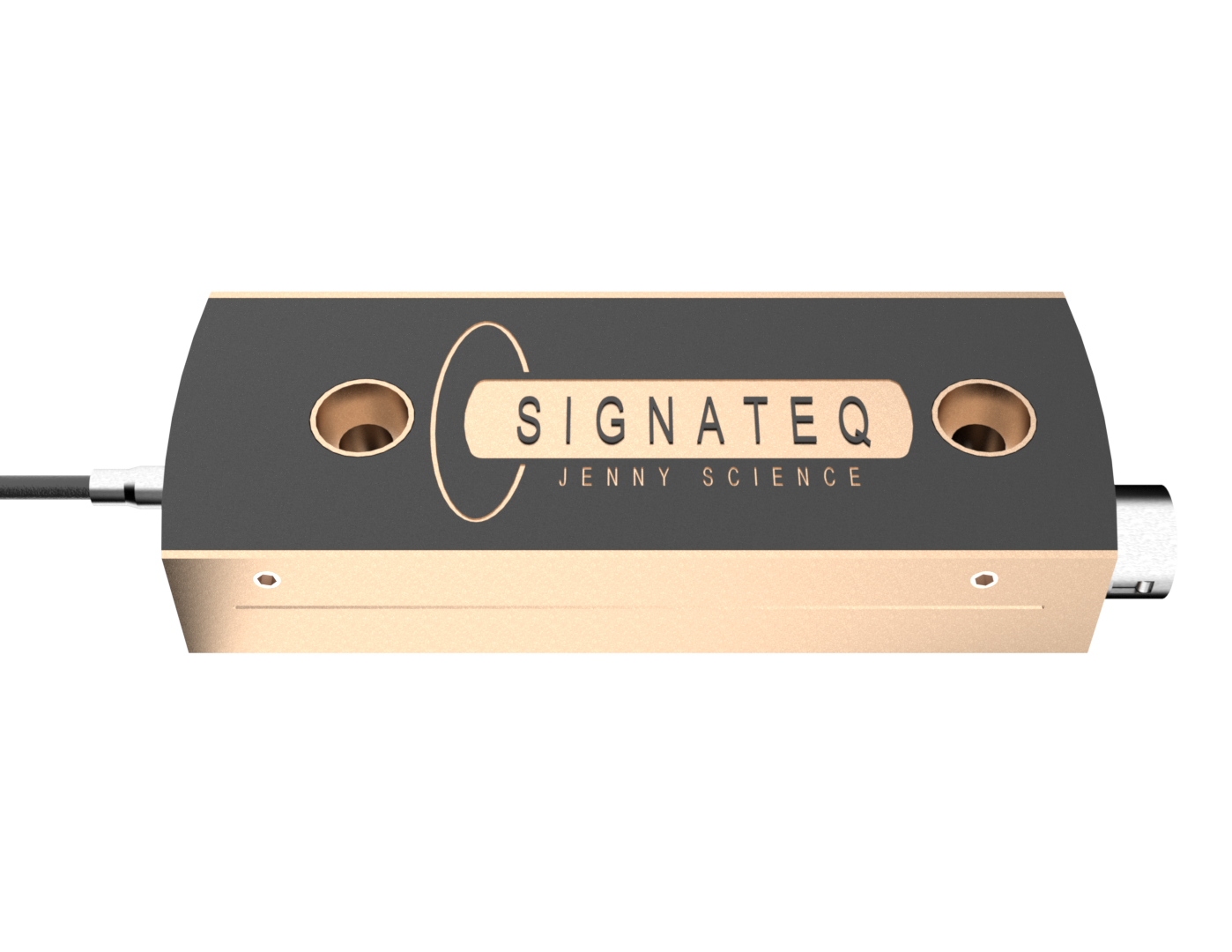
Signateq® is a measuring amplifier for any DMS force sensors especially developed for connection to the XENAX® Xvi 75V8S servo controller. This allows even smaller forces to be measured precisely with Forceteq® technology. Force control, recording and evaluation are done directly in the servo controller. No additional hardware is required. The measuring amplifier is in a compact housing and can, for example, be screwed onto the side of the ELAX® linear motor carriage in a very space-saving way.

<table data-full-width="false" data-search="false"><thead><tr><th>Signateq® Force Measuring Amplifier</th><th align="center"></th><th align="center">Art. No.</th></tr></thead><tbody><tr><td><strong>Signateq® force measuring amplifier for</strong><br><strong>XENAX® Xvi 75V8S</strong></td><td align="center">Signateq® measuring amplifier for any strain gauge load cells.<br>The measuring amplifier must be gauged together with the force sensor as a pair.</td><td align="center"><strong>154.30.02</strong></td></tr><tr><td><strong>Gauging Signateq® measuring amplifier with force sensor</strong></td><td align="center">Wiring of the force sensor to Signateq® measuring amplifier.<br>Gauging of the Signateq® amplifier with the force sensor as a pair.<br>Measurement report is supplied.</td><td align="center"><strong>154.30.10</strong></td></tr></tbody></table>

The following information must be provided by the customer for the gauging:

* Cable length from sensor to Signateq®
* Measuring range to be calibrated and its direction (tension, compression, tension/compression)
* Preload from the force sensor (if available)
* Data sheet from the force sensor or force sensor type and sensitivity (if not from JSc supplied)

<figure><img src="https://raw.githubusercontent.com/JennyScience-AG/tech-images/main/ProductCatalog_159.png" alt=""><figcaption></figcaption></figure>

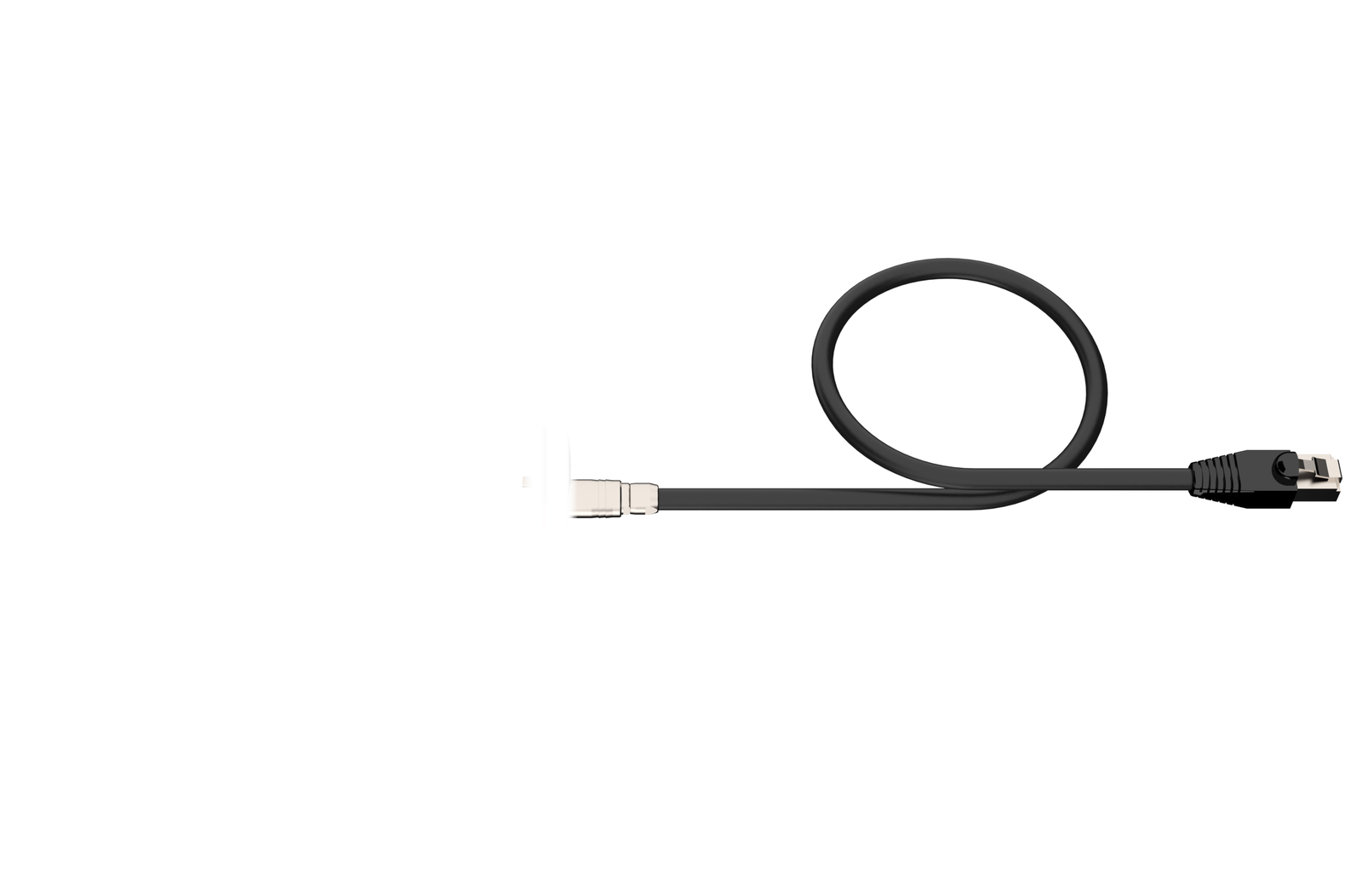
The connection cable Signateq® for connecting the measuring amplifier to the XENAX® Xvi 75V8S is oil-resistant and suitable for cable chains. The XENAX® side with RJ45 plug and Signateq® side with push-pull connection. These connection cables have a minimum bending radius of **41 mm** in motion.

<table data-full-width="false" data-search="false"><thead><tr><th>Connecting Cable Signateq®</th><th align="center">Length [m]</th><th align="center">Art. No.</th></tr></thead><tbody><tr><td><strong>Connecting Cable Signateq® to</strong><br><strong>XENAX® Xvi 75V8S</strong><br><strong>Operating temp. -40° bis + 80°, Ø 5.4mm</strong> <em>(21")</em></td><td align="center">1.5 <em>(59")</em></td><td align="center"><strong>150.09.10</strong></td></tr><tr><td></td><td align="center">3.5 <em>(138")</em></td><td align="center"><strong>150.09.11</strong></td></tr><tr><td></td><td align="center">5.0 <em>(197")</em><br>0.1-20 <em>(4" - 787")</em></td><td align="center"><strong>150.09.12</strong><br><strong>150.09.13</strong></td></tr></tbody></table>

***

## Load cell FUTEK with overload protection

<figure><img src="https://raw.githubusercontent.com/JennyScience-AG/tech-images/main/ProductCatalog_160.jpg" alt=""><figcaption></figcaption></figure>

The LSB205 S Beam Jr.® Load Sensor is one of FUTEK’s most in-demand miniature force sensors, offering exceptional accuracy, unparalleled capabilities, and best-in-class durability in a tiny package. Built for both tension and compression applications, this versatile model is perfect for any application that requires high accuracy and a small footprint.

<table data-full-width="false" data-search="false"><thead><tr><th>Sensor incl. cable</th><th align="center">Data</th><th align="center">Art. No.</th></tr></thead><tbody><tr><td><strong>0–4.4N FUTEK FSH04782</strong><br><strong>Deflection FS 0.13mm</strong></td><td align="center">Sensitivity 2mV/V<br>Nonlinearity ±0.1%<br>Overload protection 1000% of FS<br>Inc. 1.5m connection cable sensor</td><td align="center"><strong>154.31.10</strong></td></tr><tr><td><strong>0–9N FUTEK FSH04783</strong><br><strong>Deflection FS 0.10mm</strong></td><td align="center"></td><td align="center"><strong>154.32.10</strong></td></tr><tr><td><strong>0–22N FUTEK FSH04784</strong><br><strong>Deflection FS 0.08mm</strong></td><td align="center"></td><td align="center"><strong>154.33.10</strong></td></tr><tr><td><strong>0–44N FUTEK FSH04785</strong><br><strong>Deflection FS 0.08mm</strong></td><td align="center"></td><td align="center"><strong>154.34.10</strong></td></tr><tr><td><strong>0–111N FUTEK FSH04786</strong><br><strong>Deflection FS 0.08mm</strong></td><td align="center"></td><td align="center"><strong>154.35.10</strong></td></tr><tr><td><strong>0–222N FUTEK FSH04787</strong><br><strong>Deflection FS 0.08mm</strong></td><td align="center"></td><td align="center"><strong>154.36.10</strong></td></tr></tbody></table>

<figure><img src="https://raw.githubusercontent.com/JennyScience-AG/tech-images/main/ProductCatalog_161.png" alt=""><figcaption></figcaption></figure>

***

## Compact Jenny Science sensor-housing

<figure><img src="https://raw.githubusercontent.com/JennyScience-AG/tech-images/main/ProductCatalog_162.jpg" alt=""><figcaption></figcaption></figure>

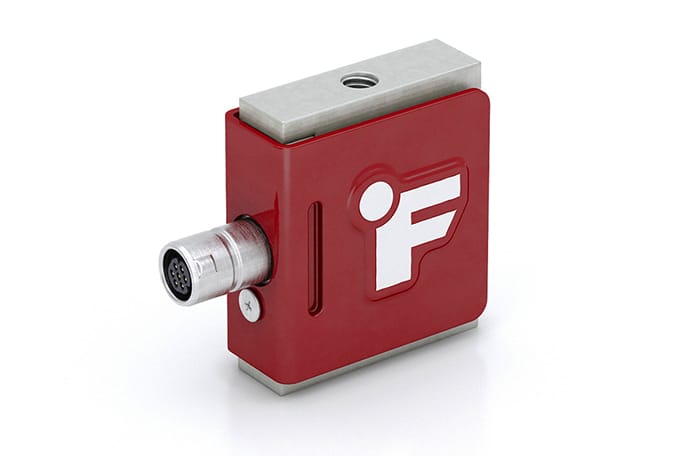
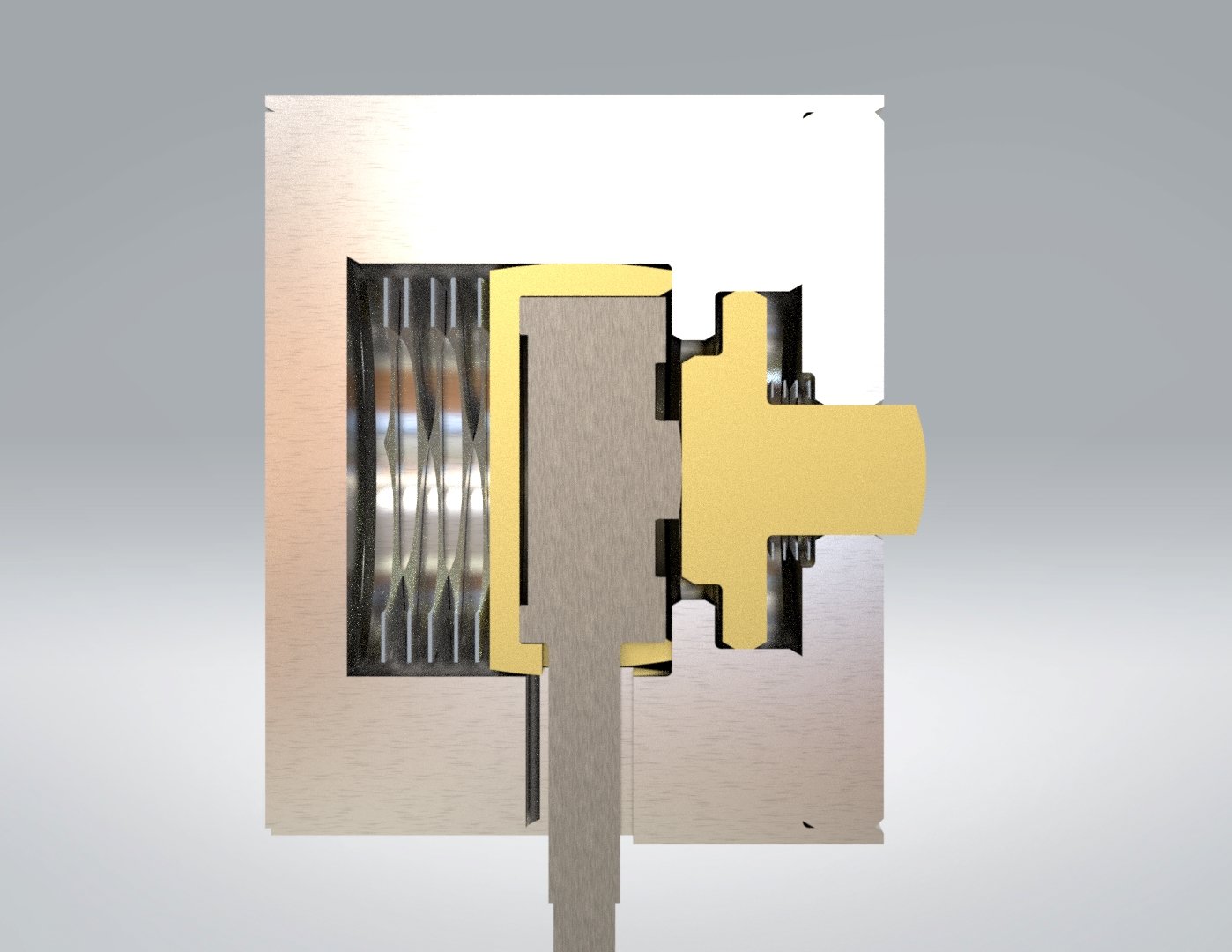
The miniature compression load cell of the Burster series 8416 in an extremely compact housing from Jenny Science. It offers overload protection up to 1kN and preloading of the sensor to 3N. The housing has the same dimensions and mounting options for all force ranges. A change of the force range is therefore easily possible without mechanical modification.

Housing without force sensor. Select the appropriate force sensor from chapter 5.4.4.

<table data-full-width="false" data-search="false"><thead><tr><th>Sensor in housing</th><th align="center">Data</th><th align="center">Art. No.</th></tr></thead><tbody><tr><td><strong>Housing for 0–20N</strong><br><strong>Burster 8416-5020</strong></td><td align="center">Overload protection up to 1kN and<br>preloaded to 3N</td><td align="center"><strong>154.39.20</strong></td></tr><tr><td><strong>Housing for 0–50N</strong><br><strong>Burster 8416-5050</strong></td><td align="center"></td><td align="center"><strong>154.39.30</strong></td></tr><tr><td><strong>Housing for 0–100N Burster 8416-5100</strong></td><td align="center"></td><td align="center"><strong>154.39.40</strong></td></tr><tr><td><strong>Housing for 0–200N Burster 8416-5200</strong></td><td align="center"></td><td align="center"><strong>154.39.50</strong></td></tr></tbody></table>

***

## Load cell Burster without housing

<figure><img src="https://raw.githubusercontent.com/JennyScience-AG/tech-images/main/ProductCatalog_163.png" alt=""><figcaption></figcaption></figure>

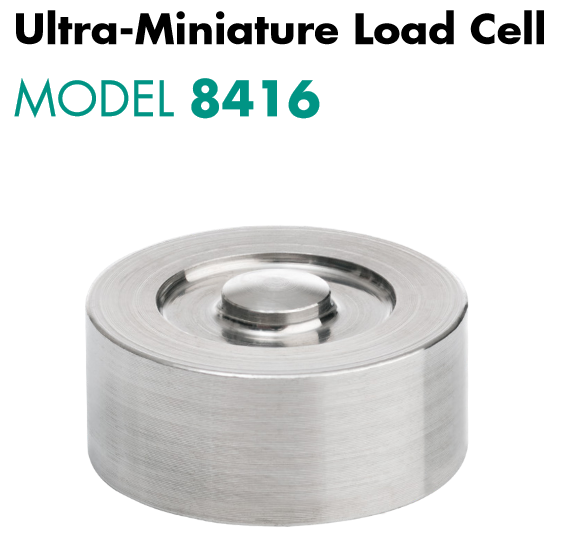
Due to their extremely compact design, these load cells can be used wherever static or dynamic load forces have to be measured in very tight spaces.

Model 8416 is perfect for use in micro-technology and just as suitable for measuring tasks in the research and development sector.&#x20;

<table data-full-width="false" data-search="false"><thead><tr><th>Sensor without housing</th><th align="center">Data</th><th align="center">Art. No.</th></tr></thead><tbody><tr><td><strong>0–20N Burster 8416-5020</strong><br><strong>no overload protection</strong></td><td align="center">Sensitivity 1mV/V / Resolution 5.4mN/0.55gf<br>Relative non-linearity 0.25%</td><td align="center"><strong>154.33.08</strong></td></tr><tr><td><strong>0–50N Burster 8416-5050</strong><br><strong>no overload protection</strong></td><td align="center">Sensitivity 1mV/V / Resolution 13.4mN/1.37gf<br>Relative non-linearity 0.25%</td><td align="center"><strong>154.34.08</strong></td></tr><tr><td><strong>0–100N Burster 8416-5100</strong><br><strong>no overload protection</strong></td><td align="center">Sensitivity 1mV/V / Resolution 26.8mN/2.73gf<br>Relative non-linearity 0.25%</td><td align="center"><strong>154.35.08</strong></td></tr><tr><td><strong>0–200N Burster 8416-5200</strong><br><strong>no overload protection</strong></td><td align="center">Sensitivity 1mV/V / Resolution 53.6mN/5.47gf<br>Relative non-linearity 0.25%</td><td align="center"><strong>154.36.08</strong></td></tr></tbody></table>

***

## Load cell Burster with overload protection

<figure><img src="https://raw.githubusercontent.com/JennyScience-AG/tech-images/main/ProductCatalog_164.jpg" alt=""><figcaption></figcaption></figure>

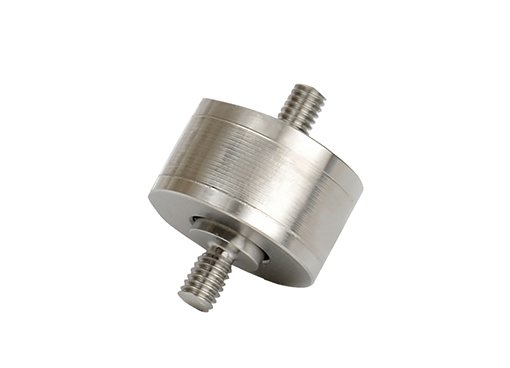
Precise tension and compression force measurements can be performed in limited space with model 8431 and 8432 precision miniature load cells. High precision, various measuring ranges, convenient load application via threaded pins with external winding and small dimensions offer a wide scope of applications in laboratories and production. Deflection FS 0.015 – 0.04mm

<table data-full-width="false" data-search="false"><thead><tr><th>Sensor without housing</th><th align="center">Data</th><th align="center">Art. No.</th></tr></thead><tbody><tr><td><strong>0–5N Burster 8432-5005</strong><br><strong>with overload protection to 25N</strong></td><td align="center">Sensitivity 0.75mV/V / Resolution 1.3mN/0.13gf<br>Relative non-linearity 0.20%</td><td align="center"><strong>154.31.05</strong></td></tr><tr><td><strong>0–10N Burster 8432-5010</strong><br><strong>with overload protection to 50N</strong><br><strong>*Available with protection class IP68</strong></td><td align="center">Sensitivity 1.5mV/V / Resolution 2.7mN/0.28gf<br>Relative non-linearity 0.20%</td><td align="center"><strong>154.32.05</strong><br><strong>*154.32.06</strong></td></tr><tr><td><strong>0–20N Burster 8432-5020</strong><br><strong>with overload protection to 100N</strong></td><td align="center">Sensitivity 2mV/V / Resolution 5.4mN/0.55gf<br>Relative non-linearity 0.20%</td><td align="center"><strong>154.33.05</strong></td></tr><tr><td><strong>0–50N Burster 8432-5050</strong><br><strong>with overload protection to 250N</strong></td><td align="center">Sensitivity 2mV/V / Resolution 13.4mN/1.37gf<br>Relative non-linearity 0.20%</td><td align="center"><strong>154.34.05</strong></td></tr><tr><td><strong>0–100N Burster 8432-5100</strong><br><strong>with overload protection to 500N</strong></td><td align="center">Sensitivity 2mV/V / Resolution 26.8mN/2.73gf<br>Relative non-linearity 0.20%</td><td align="center"><strong>154.35.05</strong></td></tr><tr><td><strong>0–200N Burster 8432-5200</strong><br><strong>with overload protection to 1kN</strong></td><td align="center">Sensitivity 2mV/V / Resolution 53.6mN/5.47gf<br>Relative non-linearity 0.20%</td><td align="center"><strong>154.36.05</strong></td></tr></tbody></table>


---

# Agent Instructions
This documentation is published with GitBook. GitBook is the documentation platform designed so that both humans and AI agents can read, navigate, and reason over technical content effectively. Learn more at gitbook.com.

## Querying This Documentation
If you need additional information that is not directly available in this page, you can query the documentation by asking a question.

Perform an HTTP GET request on the following URL with the `ask` and `goal` query parameters:

```
GET https://tech.jennyscience.com/product-overview/xenax-servo-controller/forceteq-pro.md?ask=<question>&goal=<user_goal>
```

`ask` is the immediate question: it should be specific, self-contained, and written in natural language.
`goal` is what the user is ultimately trying to achieve, the reason they need the answer. Sharing it helps GitBook give you a better, more relevant answer. A goal is most helpful when it describes the outcome the user wants rather than restating the question. For example, with `ask=how do I create an API token`, a goal like `automate deployments from our CI pipeline` lets GitBook tailor the answer to that use case.

The response will contain a direct answer to the question and relevant excerpts and sources from the documentation.

Use this mechanism when the answer is not explicitly present in the current page, you need clarification or additional context, or you want to retrieve related documentation sections.